Summary:
Managing Temperature Stability During Fall Weather Changes
Your fish can’t escape when temperatures fluctuate, unlike their wild counterparts who swim to more comfortable zones. Long Island’s fall brings dramatic swings that can drop your tank temperature by 10-15 degrees overnight if you’re not prepared.
Temperature stress weakens your fish’s immune system, making them vulnerable to ich and other parasitic infections. The solution isn’t complicated, but it requires attention to detail and the right equipment setup.
The One-Degree Rule That Saves Fish Lives
Never adjust your aquarium heater by more than one degree per day as Long Island’s fall temperatures cool down. This gradual approach prevents thermal shock that can kill even hardy fish species.
Start monitoring your tank’s temperature fluctuations in early September when overnight lows begin dropping into the 60s. Your room temperature affects water temperature more than most people realize. A 15-degree swing in your home’s temperature can cause similar changes in your aquarium water.
Quality heaters make all the difference here. Cheap heaters often drop temperatures too quickly, creating exactly the stress you’re trying to avoid. For tanks over 50 gallons, install two heaters instead of one. This provides even heat distribution and backup protection if one heater fails.
Set your heater to the middle of your fish’s preferred temperature range, not the high end. This gives you buffer room when unexpected cold snaps hit Suffolk and Nassau County. Most tropical fish thrive between 75-80°F, so aim for 77-78°F as your target.
Check your thermometer daily during fall weather transitions. Digital thermometers provide more accurate readings than stick-on versions, and some models alert you to dangerous temperature swings before they become fatal.
Preventing Deadly Heat Loss During Long Island's Cool Nights
Long Island’s fall nights can drop into the 40s by November, creating significant heat loss through your aquarium glass. Your fish experience this as a slow, steady temperature decline that mimics the onset of winter in their natural habitats.
Add insulation around your tank during the coldest months. Aquarium backgrounds aren’t just decorative—they provide an extra layer of insulation against exterior walls. Avoid placing tanks near drafty windows or doors where cold air creates temperature instability.
Consider your tank’s location carefully. Basements stay more consistent but tend to run cooler, requiring more heater capacity. Upper floors experience more temperature swings but benefit from rising warm air. The ideal spot maintains steady room temperature without direct sunlight or cold drafts.
Water changes become critical during temperature transitions. Always match new water temperature within 2 degrees of your tank temperature. Use a submersible heater in your water change bucket, or mix hot and cold water until you achieve the right temperature.
Some aquarists make the mistake of cranking up their heater when they notice temperature drops. This creates dangerous temperature spikes when the room warms up during the day. Steady, gradual adjustments work better than dramatic changes.
Your filter and pump also generate small amounts of heat. Make sure they’re running efficiently, as any equipment failure during cold weather puts additional stress on your heating system. Clean filter media regularly to maintain optimal water flow and heat distribution.
Adjusting Aquarium Lighting For Shorter Fall Days
Long Island’s daylight hours shrink from over 12 hours in September to just 11 hours by October’s end. Your fish notice this change, and their circadian rhythms depend on consistent day-night cycles for optimal health.
Most aquarium owners make the mistake of keeping lights on the same schedule year-round. This creates an artificial summer environment when your fish should be preparing for seasonal changes. The result? Stressed fish and increased algae growth.
Creating Natural Light Cycles That Prevent Algae Blooms
Reduce your lighting period by 30-60 minutes as fall progresses. If you’re currently running 10 hours of light, drop to 9 hours in September and 8.5 hours by October. This mimics natural seasonal changes and reduces algae-promoting conditions.
Algae blooms often spike during seasonal transitions because of lighting imbalances. Too much light with insufficient plant growth creates perfect conditions for green water outbreaks that can suffocate your fish. The key is matching your lighting intensity to your tank’s biological capacity.
Install a programmable timer if you haven’t already. Manual lighting schedules fail when life gets busy, and inconsistent lighting stresses fish more than slightly reduced hours. Quality timers cost less than treating a tank full of sick fish.
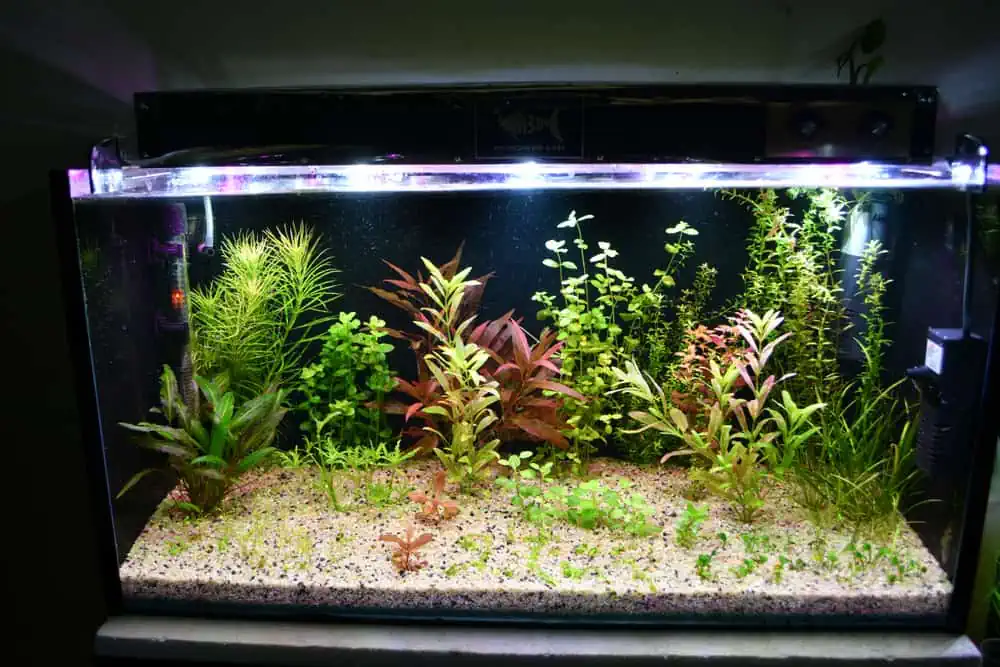
Consider the color temperature of your lighting during fall months. Higher Kelvin ratings (6500K and above) simulate natural daylight and support healthy plant growth. Lower ratings create warmer light that can trigger algae growth in planted tanks.
Position your lights to avoid creating hot spots that encourage algae growth. Even light distribution prevents the patchy algae problems that plague many aquariums during seasonal transitions. If you notice algae growing in specific areas, adjust your light positioning before the problem spreads.
Your plants need consistent light more than intense light. Sudden changes in lighting duration or intensity trigger plant stress, which creates opportunities for algae to take over. Gradual adjustments over several weeks work better than dramatic overnight changes.
Balancing Fish Health With Seasonal Light Requirements
Fish sleep, and they need darkness to rest properly. Continuous lighting disrupts their natural behavior patterns and weakens their immune systems. This becomes especially important during fall when they’re already dealing with temperature and environmental changes.
Most tropical fish evolved in environments with roughly equal day and night periods. Maintaining 10-12 hours of light maximum prevents the sleep disruption that leads to stress-related diseases. Some species actually prefer shorter photoperiods during cooler months.
Watch your fish behavior during lighting transitions. Healthy fish maintain normal feeding patterns and social interactions. Stressed fish hide more, show aggression, or display unusual swimming patterns. These signs often appear before visible illness develops.
Blue or moonlight settings can help transition fish between day and night cycles. Many modern LED systems include these features, creating a more natural lighting progression that reduces shock. This becomes particularly valuable during fall when natural twilight periods extend longer.
Avoid placing your aquarium where it receives direct sunlight, especially during fall when sun angles change dramatically. Even brief periods of direct sun can trigger massive algae blooms that take weeks to control. Background materials or window treatments provide simple solutions.
Different fish species have varying light sensitivity levels. Research your specific fish requirements rather than following generic guidelines. Some species thrive with minimal lighting, while others need consistent illumination to maintain their vibrant colors and active behavior.
The relationship between lighting, feeding, and fish health becomes critical during seasonal changes. Reduced lighting often means reduced appetite, which is normal. Don’t compensate by overfeeding, as uneaten food creates the nutrient imbalances that fuel algae growth.
Mastering Fall Aquarium Care In Suffolk And Nassau County
Fall aquarium care comes down to understanding your fish’s needs during seasonal transitions. Temperature stability, proper lighting adjustments, and algae prevention work together to keep your aquatic friends healthy through Long Island’s unpredictable autumn weather.
The one-degree temperature rule, gradual lighting reductions, and consistent maintenance schedules prevent the stress-related problems that plague many aquariums during seasonal changes. Your fish will thank you with vibrant colors, active behavior, and strong immune systems that resist disease.
When fall aquarium challenges become overwhelming, professional help makes the difference between thriving fish and costly disasters. We’ve helped Long Island aquarium owners navigate seasonal transitions for over two decades, providing the expertise and support that keeps tanks beautiful year-round.